
Occupational health and safety is a critical aspect of any organization. It’s a responsibility that falls on the shoulders of Safety Managers and other key personnel.
One crucial component of this is respirator fit testing. This process ensures that respiratory protection equipment fits correctly and provides the necessary protection.
However, finding local services for respirator fit testing can be a challenge. It’s not just about proximity. You also need to ensure that the service provider is compliant with health regulations and has a proven track record.
This article aims to guide you through the process. We’ll discuss the importance of respirator fit testing, the different types of tests, and how to find reliable local services.
We’ll also provide practical tips on preparing for a fit test and maintaining compliance.
So, if you’re searching for “respirator fit testing near me,” you’re in the right place. Let’s dive in.
The Importance of Respirator Fit Testing
Respirator fit testing is a cornerstone of workplace safety. It plays a crucial role in protecting employees from airborne hazards. Without a proper fit, respirators cannot perform their essential function.
A well-fitted respirator ensures the safety of workers exposed to harmful particles. This is particularly important in industries like healthcare, construction, and manufacturing. A small gap or improper seal can lead to exposure and health risks.
Here’s why respirator fit testing is essential:
- Compliance: OSHA mandates fit testing for workers using tight-fitting respirators.
- Protection: A proper fit minimizes the risk of contaminants entering the respirator.
- Prevention: Reduces the incidence of workplace illnesses related to respiratory exposure.
Fit testing is not a one-time requirement. It should be conducted annually and whenever there are changes affecting fit. Such changes include weight fluctuations, dental work, or facial surgeries.
Beyond compliance, fit testing fosters a culture of safety. It encourages employees to engage with their personal protective equipment. By prioritizing respirator fit testing, Safety Managers can significantly reduce workplace accidents and health risks.
Types of Respirator Fit Tests: Qualitative vs Quantitative
Understanding the types of respirator fit tests is vital for effective safety management. Two main methods exist: qualitative and quantitative. Each serves a distinct purpose and offers specific insights.
Qualitative fit testing relies on the wearer’s senses to detect leaks. It involves the use of a test agent, like a bitter or sweet solution. If the respirator fits well, the wearer should not taste or smell the agent.
By contrast, quantitative fit testing offers a measurable approach. It employs specialized equipment to assess leakage into the respirator. This method provides a numerical fit factor, indicating the seal’s effectiveness.
Here’s a quick overview:
- Qualitative: Sensory detection using test agents.
- Quantitative: Machine-measured, provides numerical data.
- Application: Choose based on the respirator type and workplace needs.
Both tests ensure proper respirator function. Selecting the right method depends on job specifics and regulatory requirements. By knowing these options, Safety Managers can better safeguard their workforce.
How to Find Respirator Fit Testing Services Near You
Locating reliable respirator fit testing services can be simple. There are several resources available to guide your search. Start by exploring local directories and professional networks.
Look for testing services that understand industry-specific needs. Consider services that offer both qualitative and quantitative tests. This flexibility ensures they meet diverse regulatory requirements.
Reach out to peers in your field for recommendations. Colleagues can provide insights on trusted providers and share experiences. This word-of-mouth strategy often leads to discovering reputable testing services nearby.
Online Directories and Safety Equipment Suppliers
Online directories are a great starting point in your search. Websites dedicated to occupational health often list local providers. These directories typically offer contact details and service descriptions.
Safety equipment suppliers frequently partner with fit testing services. They can recommend providers familiar with their products. Contact these suppliers for referrals, as they often have established relationships with dependable testers.
Occupational Health Clinics and Mobile Services
Occupational health clinics are an invaluable resource for fit testing. These clinics specialize in workplace health, making them reliable. Clinics often offer comprehensive testing as part of wider health services.
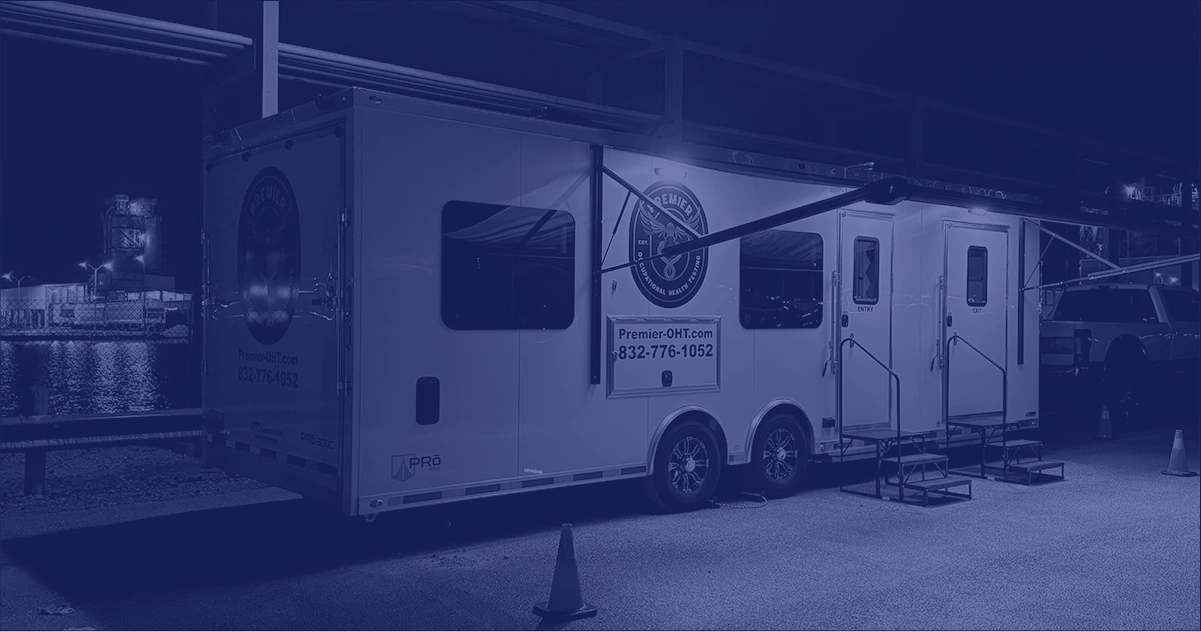
Some providers offer mobile fit testing services. These services bring testing directly to the worksite, saving time. Mobile services are especially beneficial for large teams and remote locations.
Preparing for a Respirator Fit Test
Getting ready for a respirator fit test involves a few key steps. Employees should be clean-shaven where the mask seals to the face. Facial hair can compromise the integrity of the fit, leading to potential safety risks.
Before the test, ensure employees avoid eating, drinking, or chewing gum for 15 minutes. This precaution prevents interference with the test accuracy. Proper preparation aids in achieving a successful fit, ensuring optimal protection for the wearer.
What to Expect During the Fit Testing Process
During a fit test, the goal is to check how well the respirator fits. The process usually involves a series of steps to assess the mask’s seal. Tests ensure that no harmful substances can enter.
The test starts by donning the respirator and performing a range of movements. You might need to nod, speak, or bend over as instructed. Testing might involve exposure to a harmless agent to detect leaks. The entire process typically lasts about 20 minutes, confirming the mask’s effectiveness in real-world conditions.
Maintaining Compliance and Documentation
Ensuring compliance with OSHA standards is vital for workplace safety. Fit testing is not just a one-time activity; it’s a recurring responsibility. Tests need to be conducted at least annually.
Proper documentation is critical for regulatory purposes. Keeping detailed records of each test helps demonstrate adherence to safety protocols. Records should include test dates, results, and any issues noted.
A well-maintained log reflects an organization’s commitment to safety. This documentation can protect against potential fines and legal issues. Moreover, it builds trust among employees, confirming their health is a top priority.
Selecting a Reputable Fit Testing Provider
Choosing a reliable provider is crucial for effective respirator fit testing. Safety Managers should prioritize providers who adhere to OSHA standards. Experience and reputation matter in selecting the right service.
Look for providers that offer comprehensive services, including on-site testing. They should have a thorough understanding of various industry requirements. Opt for those who provide additional training resources for improved respirator use.
Verifying Credentials and Certifications
A provider’s credentials are key indicators of their reliability. Ensure they hold relevant certifications and are OSHA-compliant. Ask about their training and specific expertise in fit testing.
Reading Reviews and Testimonials
Online reviews can provide insight into a provider’s reputation. Look for consistent positive feedback regarding their professionalism and effectiveness. Testimonials from other businesses can validate their service quality.
Conclusion: The Role of Safety Managers in Respirator Fit Testing
Safety Managers are pivotal in ensuring workplace respiratory safety. They must oversee fit testing, compliance, and training efforts. By promoting a proactive safety culture, they help protect employees and ensure regulatory adherence. Prioritizing fit testing enhances overall health and safety within the organization.